Garden
The romantic garden of Villa Pernis Vacca is a portion of the larger park surrounding the residence, located in the front part of the villa, welcoming visitors as the first entrance environment and introducing them to the discovery of the entire garden.
This densely wooded space, composed predominantly of ornamental species, still retains its original structure today. It is crossed by shaded paths and enriched by the presence of historical elements, such as an air-raid shelter and other artifacts linked to the life and transformations of the complex.
The definition of “romantic garden” recalls a landscape design inspired by the English garden, widespread between the late 19th and early 20th centuries. Unlike the orderly and symmetrical Italian garden, the romantic one is designed to enhance the spontaneity of nature, celebrating its freer and wilder aspect, capable of generating a sense of wonder and amazement. This approach, linked to the sensitivity of romanticism, reflects an idea of landscape that does not dominate nature but accompanies it with discretion.
In the villa’s garden, this vision is expressed through the presence of plants of great ornamental value: a monumental magnolia, two tall Washingtonia palms that draw the horizon, and two Araucaria pines with particular and scenic forms. Nearby, a century-old wisteria gracefully climbs, offering spectacular blooms in the spring months.
Today, although the area is in disuse, the romantic garden continues to tell a precise idea of beauty and the relationship between man and nature. It remains an evocative threshold between the public dimension of the town and the more intimate one of the villa. A place waiting to be rediscovered.
Citrus Grove
In 1926, the ownership of the Villa passed into the hands of the Vacca family, when Cosimo Vacca and his wife Edivice Perra purchased the villa from Giovannica Pernis, daughter of Benvenuto Pernis. Cosimo Vacca was already an established citrus grower: he knew the trade and the requirements of cultivation well. With a concrete and visionary outlook, he started a profound reconversion of the land, which became a nursery and especially a citrus grove, taking advantage of the favorable conditions offered by the territory of Milis.
At the same time, the villa also began to change its appearance. The interior spaces were reorganized to meet new daily needs: rooms previously intended for other uses were converted into kitchens, storage areas, or garages, and the old stables were adapted to accommodate agricultural machinery and animals. The transformations, while respecting the original structure, reflected a new way of living and inhabiting the property, more tied to work and the land than to representation.
During the years of World War II, the villa was temporarily requisitioned for military use, undergoing substantial and often invasive modifications that further altered its original layout. It was used as a military base, adapted to house soldiers and operations related to the war, with the introduction of new internal divisions and the elimination of part of the original decorative features.
In 1949, the Vacca family returned to permanently reside in the villa, and during that period the citrus grove began to thrive. Cosimo Vacca’s agricultural vision was consolidated, and the lands were dedicated to citrus cultivation, which became the main activity, transforming the villa into an agricultural production center. The citrus grove represented the most enduring part of the property for a long time, remaining a distinctive feature even in the following decades, when the villa underwent other minor changes, but agriculture continued to prosper.
The members of the Vacca family remained in the villa until 1977, when they finally left the residence. Despite the transformations, the agricultural part of the property, with the citrus grove, remained the most recognizable and persistent element over time, a sign of the indissoluble bond between the family and the land they had chosen to cultivate.
The Citrus Fruits of Milis
Among the peculiarities that characterize Milis, citrus cultivation occupies a special place. Here, thanks to the presence of freshwater springs and the mild climate favored by the proximity of Montiferru — a volcanic massif that dominates the landscape — citrus farming has ancient and deep roots.
As mentioned, the area has been cultivated with citrus groves since medieval times. This tradition dates back to the 12th century, when the Camaldolese monks, who settled in the area, began to exploit the agricultural potential of the territory. Their order, born in Tuscany and dedicated to spiritual life and working the land, promoted land reclamation works and started the first specialized cultivations in various areas, including the current locality of Cracarzu (formerly known as Calcaria), east of the village. It was here, according to documentation preserved in ancient monastic records, that the first citrus groves were planted, with citron trees and other fruit trees.
A tangible sign of their presence has also reemerged in the heart of the village, inside Palazzo Boyl. During the restorations carried out in the 1980s, traces of a small Camaldolese convent were found at the base of the building, which would likely have played a role in the management and development of crops in the area.
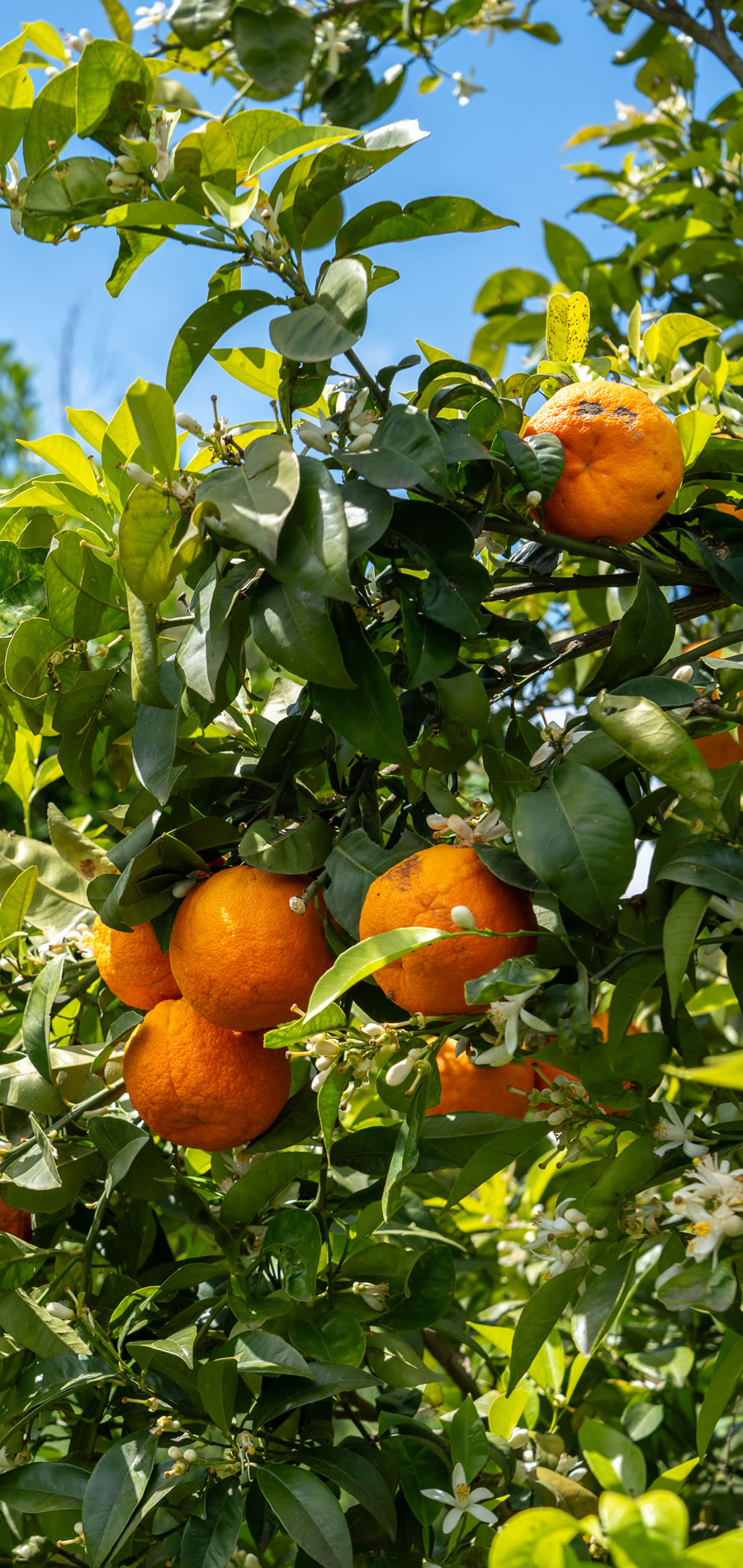
The introduction of citrus fruits in Milis has proven, over time, to be a fortunate intuition. The cultivation has thrived to become the center of the local economy for centuries. During the 19th century, travelers and scholars visiting the village were struck by the richness and beauty of these orange groves: among them was a French author who compared them to the mythical Garden of the Hesperides.
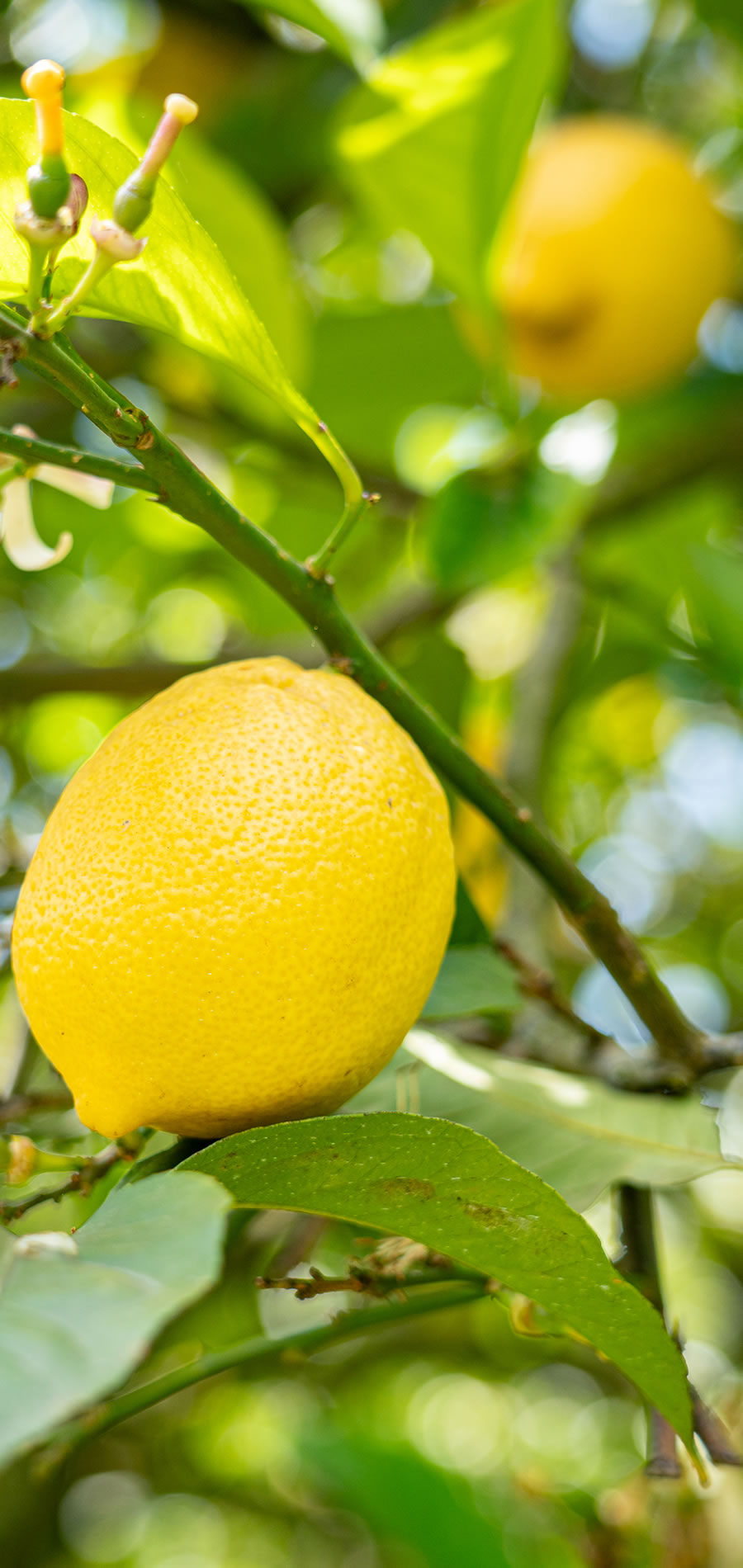
Today, this tradition continues to live on, thanks in part to recovery and conservation initiatives. In the 1990s, for example, a citrus grove with various local varieties was planted in the park of Villa Pernis Vacca, including some ancient and now rare cultivars, such as the pompìa, a typical Sardinian citrus fruit with unique qualities.
In Milis, citrus fruits are more than just a product: they are memory, identity, and landscape intertwined.
Anglo-Arab Sardo
In the transition between the 19th and 20th centuries, during a period when Sardinia was establishing itself as fertile ground for innovation in horse breeding, Benvenuto Pernis distinguished himself with a vision as audacious as it was far-sighted. Together with Major B. Percy, although starting from different zootechnical approaches, he was among the first to support a principle now considered fundamental in genetic selection: to consolidate a breed, it is necessary to introduce external blood – the so-called out-breeding. From this insight came the idea that crossing Arab horses with English thoroughbreds could generate a horse type particularly suited to the needs of the Sardinian territory.
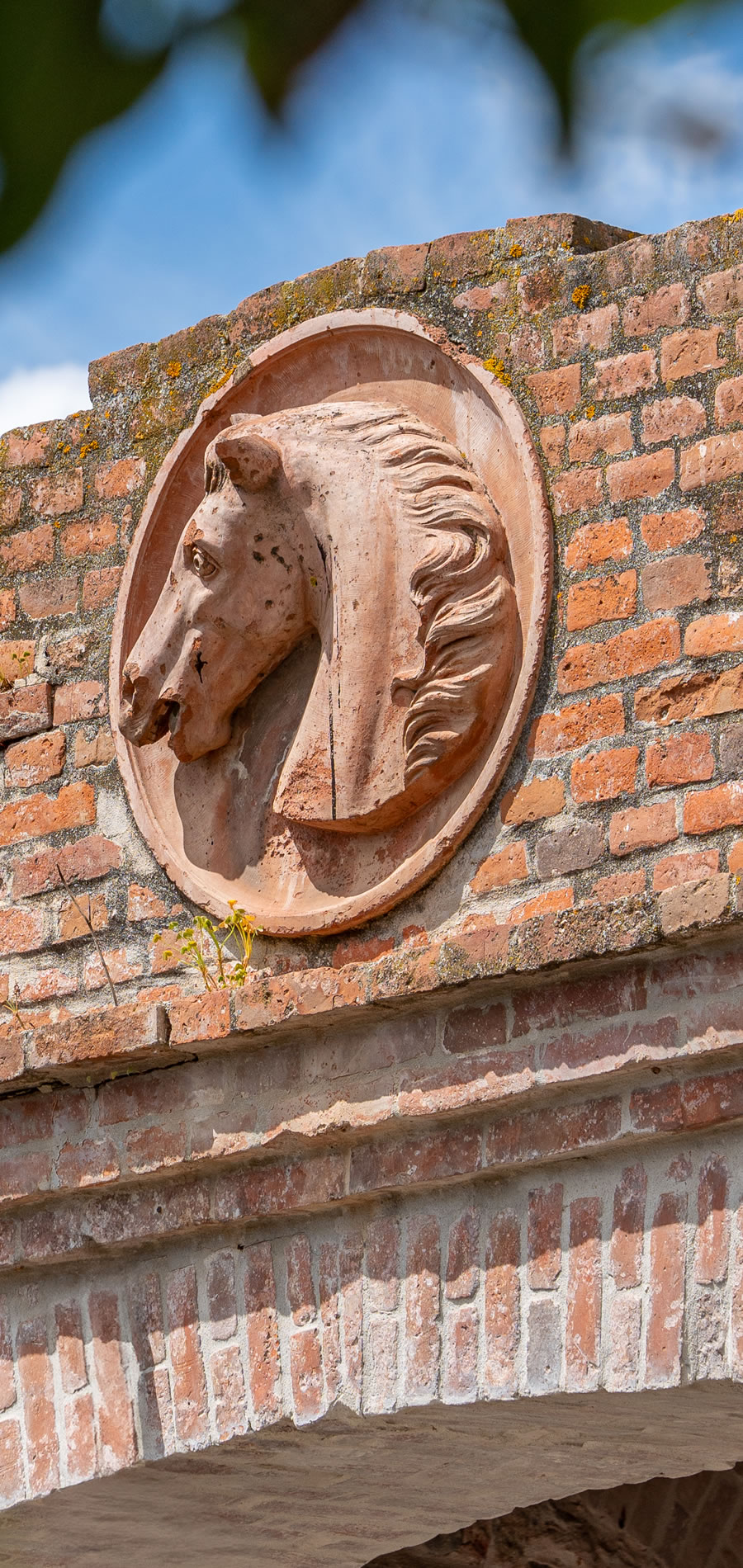
The goal was not simply to obtain good saddle or draft horses, but to create a new type: the Anglo-Oriental, which would later become the Anglo-Arab-Sardo, a horse capable of combining the endurance and elegance of the Arab with the power and speed of the English. The villa and the surrounding lands thus became a true open-air laboratory, where Benvenuto Pernis put his intuitions into practice, progressively refining the ideal type of horse to select.
Within the Council of the Stallion Depot, Pernis tenaciously supported his positions even in moments when the use of the English thoroughbred was viewed with suspicion. His direct experience and the results obtained in Milis made his arguments well-founded and pragmatic. The choices made in his breeding program contributed to defining the distinctive traits of the future Sardinian breed, effectively anticipating the principles that would be formalized years later with the Grattarola Project and the birth of the Stud Book.
Already in the early decades of the 20th century, the effectiveness of these crosses was recognized by experts such as Don Deodato Meloni, who in his writing Horse Breeding Direction in Sardinia documented how the qualitative component of the island’s breeding was based precisely on subjects derived from an Arab base reinforced with English blood. There was also growing interest in the military sphere, as evidenced by the foundation of the Military Quadruped Supply Center in Foresta Burgos (1906) and the highly attended Macomer Show of 1909, where over 750 subjects were exhibited.
Benvenuto Pernis was therefore not only an enlightened breeder, but one of the key actors in defining a modern Sardinian equestrian identity. Villa Pernis Vacca, with its rationally conceived spaces, was not simply a noble residence, but an avant-garde operational center, where work was being done for the future of island breeding. There, an idea of a horse took shape that would mark the history of the island: strong, elegant, resistant, deeply Sardinian.